Description
SS-31 Overview
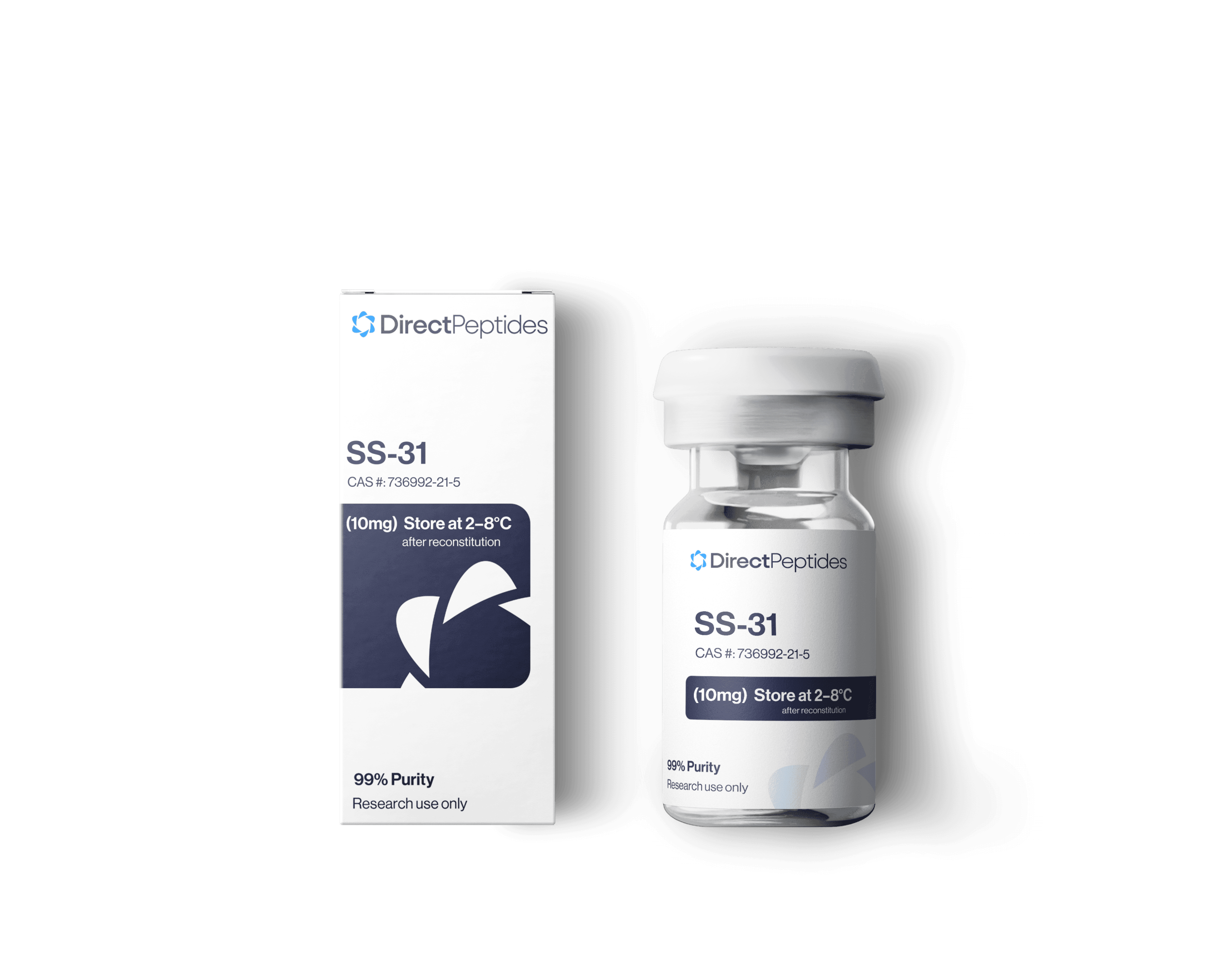
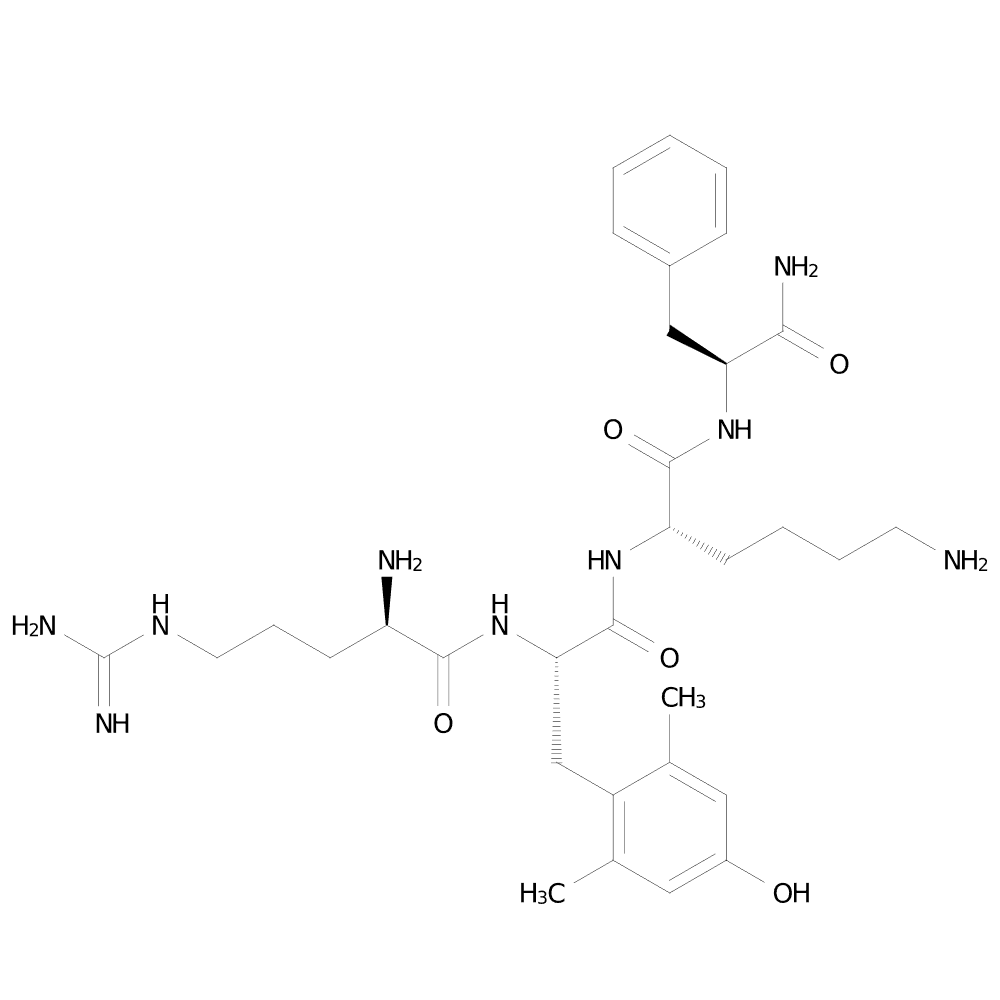
SS-31 is a synthetic tetrapeptide made up of four amino acids. It was developed as part of the Szeto-Schiller peptide series, a class of aromatic-cationic compounds designed to concentrate within the inner mitochondrial membrane.
Since it was characterized in the early 2000s, SS-31 has been studied extensively in controlled experimental settings. Research has examined its potential influence on cardiolipin stabilization, reactive oxygen species and mitochondrial bioenergetics.
SS-31 Research Focus
Published laboratory and preclinical work on this peptide has concentrated on the following areas:
- Cardiolipin stabilization
- Reactive oxygen species in experimental models
- Mitochondrial bioenergetics
- Targeting of the inner mitochondrial membrane
Available Formats
SS-31 is available in 10mg vials. Each strength can be ordered as a single vial or as a pack of 10 vials; choose your options above before adding to the cart.
Handling and Storage
Store and handle this product according to the product label and your laboratory’s standard operating procedures. For background on the factors that affect stability, such as temperature, moisture, light and repeated freeze-thaw cycles, read our guide to peptide storage and stability.
Where SS-31 Fits in Our Range
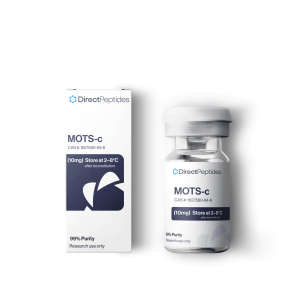
These compounds are studied for their roles in mitochondrial function, bioenergetics and redox balance. SS-31 is a Szeto-Schiller peptide designed to concentrate in the inner mitochondrial membrane, MOTS-c is a peptide encoded in the mitochondrial genome, NAD+ is a central redox coenzyme and L-Glutathione is the main intracellular antioxidant tripeptide.
Choosing a Format
The strength printed on a vial describes the total amount of material it contains, not a concentration. Work out how much material each planned experiment uses before ordering. The 10-vial pack suits a longer series of experiments, while a single vial suits a pilot run.
General Laboratory Handling
These are general principles for handling lyophilized peptides. The label and your own procedures take priority over them.
- Lyophilized peptides are generally far more stable than peptides in solution, so keep material dry until it is needed.
- Store sealed vials cold and away from light and moisture.
- Let a cold vial reach room temperature before opening it, so that condensation does not form on the powder.
- Divide reconstituted material into single-use aliquots to avoid repeated freeze-thaw cycles.
- Record the lot number, the date opened and the diluent used.
Checking Identity and Purity
Identity, purity and peptide content are separate questions. Mass spectrometry is typically used to confirm molecular mass, reversed-phase HPLC to assess purity, and amino acid analysis to measure peptide content. Our overview of analytical techniques in peptide research explains how these methods work and what each result can and cannot show.
Reference
Zhao K. et al. (2004). Find this reference on PubMed.
SS-31 FAQs
What is SS-31?
SS-31 is a synthetic tetrapeptide made up of four amino acids.
What has this peptide been studied for?
Published work has concentrated on Cardiolipin stabilization and reactive oxygen species in experimental models. See the research focus section above for the full list.
Which strengths are available?
10mg, each sold as a single vial or as a pack of 10 vials.
Can this product be used in people or animals?
No. It is sold only for laboratory research, and we cannot give dosing or human-use guidance.
Where can I ask a question about this product?
Use our contact page, or email support@directpeptiides.com. Include your order number if your question is about an order.
Related Research Peptides
- MOTS-c: MOTS-c is a 16-amino-acid mitochondrial-derived peptide encoded within the mitochondrial 12S rRNA gene.
- NAD+: NAD+ (nicotinamide adenine dinucleotide) is a naturally occurring coenzyme central to redox reactions and bioenergetic processes.
- L-Glutathione: L-Glutathione is a ubiquitous tripeptide that acts as a primary intracellular antioxidant and redox regulator.
Browse the full Mitochondrial & Cellular Research range or search the shop.
For research use only. This product is intended exclusively for legitimate laboratory research. It is not for human or veterinary consumption and is not a drug, food, supplement or cosmetic. Nothing on this page is medical advice. By purchasing, the buyer agrees to use this product in compliance with all applicable laws.
Reviews
There are no reviews yet.